01
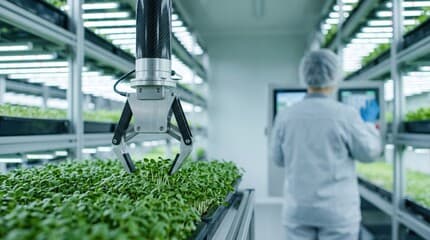
Cleaning and sorting
Stones, husk and anything undersized come out before the material goes anywhere near a press.
Cleaning, pressing, filtering and fractionating, so the material arrives in the form your process actually needs.
Raw material and finished ingredient are two different things. A buyer making soap needs something different from a buyer making chocolate, and both are different again from a brand filling jars.
We handle the steps in between. How far we take it depends on what you are doing with it: some customers want nuts, some want crude butter, some want a refined and deodorised fraction with a specification sheet attached.
Stones, husk and anything undersized come out before the material goes anywhere near a press.
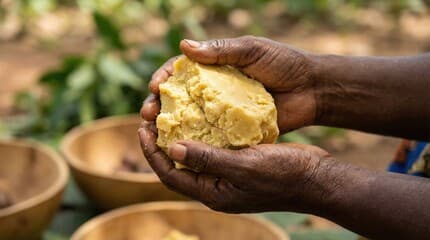
Mechanical extraction of crude butter and oil, with the cake sold on rather than wasted.
Filtering, neutralising and deodorising where a formulation needs a neutral base rather than the raw character.
Separating stearin and olein for customers whose process needs one part and not the other.
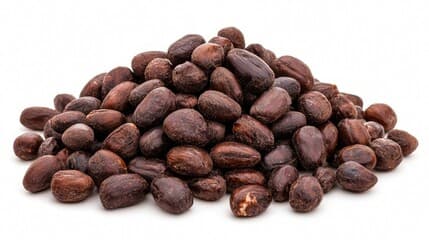
A shea nut and a jar of body butter are separated by perhaps six operations, and where a customer joins that sequence tells you almost everything about what they need from us. Some want the nut itself, because they have their own press and their margin is in the crushing. Others want crude butter in drums. Others want a refined, deodorised, filtered fraction that arrives with a specification sheet and behaves identically to the last delivery.
We do not push customers further up that chain than they want to go. There is a temptation in this business to sell the most processed thing you can, because the margin is better. But a buyer who wanted nuts and received refined butter has paid for work they did not need, and they notice.
The steps themselves are unglamorous. Cleaning removes stones, husk and undersized material before anything reaches a press, because grit destroys equipment and a single stone can stop a line. Pressing extracts the crude butter mechanically. Refining neutralises and deodorises, which matters when a formulator needs a neutral base rather than the strong natural character of raw shea. Fractionating separates stearin from olein for processes that need one part and not the other.
What we agree before any of it starts is the specification: moisture, free fatty acid, colour, and whatever else your process depends on. That gets written down before production rather than discovered afterwards, because the expensive version of this conversation is the one that happens when a container has already arrived and does not behave the way your line expects.
Tell us what you are trying to move and we will tell you plainly what we can do about it.